Why Your GLP-1 Weight Loss Plateaued (And What to Try)
Plateaus on Ozempic, Wegovy, or Zepbound are normal — and almost always solvable. Here's what causes them and the playbook that actually works.
May 6, 2026 · 8 min read · By GLP-FAQ Editors
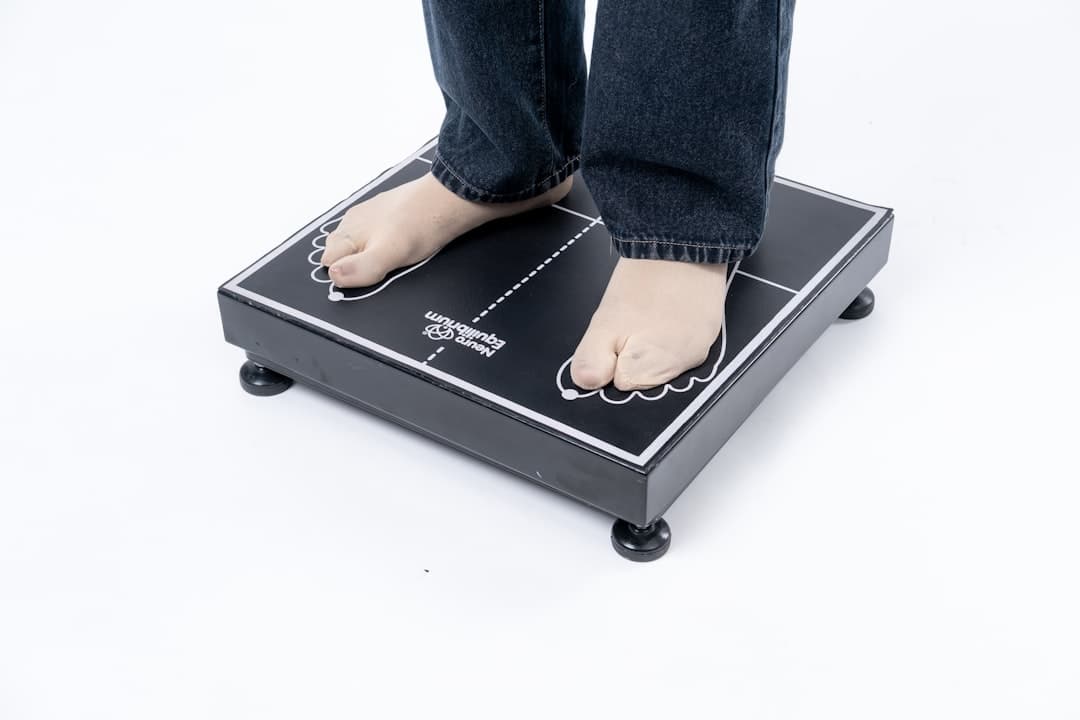
You lost 18 pounds in the first three months on your GLP-1. The scale stopped moving in month four. Now it's been six weeks at the same number and you're starting to wonder if the drug just stopped working. The short version: it didn't. GLP-1 weight loss plateaus are one of the most common — and most fixable — patterns in this whole class of drugs, and the math behind them is more boring than dramatic.
This is what's actually happening, why it almost always passes, and the troubleshooting order that works for most people before it's time to call your prescriber.
What "plateau" actually means on a GLP-1
A plateau is two or more weeks of no measurable weight change while you're still in your weight loss window — meaning, before you've reached a maintenance phase. Anything shorter than that is normal week-to-week noise. Hormones, sodium intake, sleep debt, and the timing of your last meal can all swing the scale by 3–5 pounds in a single day, which is why one stalled week is meaningless.
The trial data tells you what the average curve looks like. In STEP-1 (semaglutide 2.4 mg), the typical participant lost the most weight between weeks 8 and 28, with the curve flattening around week 60. Final mean loss was 14.9% of body weight at 68 weeks. In SURMOUNT-1 (tirzepatide 15 mg), peak loss was 22.5% at 72 weeks, with the steepest decline in months 3–9.
The pattern in both trials: rapid loss, gradual loss, plateau. Your body settles on a new set point, and the drug holds you there.
Why plateaus happen — the four main reasons
Plateaus aren't the drug giving up. They're almost always one of four things:
- You've hit a new metabolic equilibrium. Smaller body, lower basal metabolic rate, fewer calories burned at rest. Your old "deficit" isn't a deficit anymore.
- You're not on the maximum effective dose yet. The most common cause we see — people stall at 1.0 mg semaglutide or 7.5 mg tirzepatide and assume that's their ceiling. It usually isn't.
- Calorie creep. As nausea fades, appetite returns enough that you eat more than you did in month one — even though you still feel "in control" relative to pre-drug.
- Muscle loss is masking fat loss. GLP-1 weight loss is roughly 60–75% fat, 25–40% lean mass. If you've lost a lot of muscle, your scale weight drops slower even when fat loss continues.
Sometimes it's a combination of all four. The good news: each of these has a specific intervention.
The plateau troubleshooting playbook
Try these in order. Don't skip steps — they're sequenced from least to most invasive.
Step 1 — Audit calories for one week
For seven days, weigh and log everything. Don't change behavior, just measure. Most people who think they're "still eating like month one" are eating 400–600 more calories per day. The drug quieted the food noise, but old habits — handfuls of nuts, a glass of wine, a second helping that "wasn't that big" — quietly returned.
If your audit shows you're eating at maintenance for your current weight, that's your plateau cause. The fix is straightforward: trim 300–500 calories from where you are now (not where you were when you started). Protein-first meals, fewer liquid calories, and a hard cap on snacking is usually enough.
Step 2 — Check your dose, not just the drug
If you're on a sub-maintenance dose — anything below 2.4 mg semaglutide or 15 mg tirzepatide — and you've been stalled for four-plus weeks, talk to your prescriber about stepping up. Many providers default to "lowest effective dose," which is reasonable for safety but can leave 5–8% of additional weight loss on the table for people who tolerate the drug well.
Step-ups usually mean another 4–6 weeks of mild GI side effects, then the appetite suppression rebuilds and the scale moves again. Our tirzepatide step-up guide and semaglutide dosing schedule cover the timing.
Step 3 — Eat more protein
This is the single most underrated plateau-breaker. The minimum target most clinicians recommend during GLP-1 weight loss is 1 gram of protein per pound of goal body weight, which most people are nowhere near because their appetite is gone and protein is the most filling macro.
Hitting protein does two things: preserves muscle (so the scale reflects real fat loss instead of mixed loss) and increases satiety per calorie. If you can't physically eat enough protein because of early fullness, a whey or casein shake between meals — when your stomach is empty — is the most efficient delivery vehicle. We go deeper on this in what to eat on GLP-1s when you have no appetite.
Step 4 — Add resistance training
Cardio burns calories during the workout. Resistance training rebuilds the muscle you'd otherwise lose to a calorie deficit, which keeps your basal metabolic rate higher long-term. Three sessions a week of compound lifts (squat, hinge, push, pull) for 30–45 minutes is the floor.
You don't need a gym membership or a coach. Bodyweight progressions work. The point is the consistency, not the intensity.
Step 5 — Sleep and stress
Cortisol blunts weight loss in ways that are easy to underestimate. Chronic 5–6 hour nights and unmanaged stress can stall progress even with everything else dialed in. If you're plateaued and your sleep has been bad for a month, fix sleep first — it's free and the effect size is real.
When the plateau is the drug, not you
Most plateaus break with the steps above. A few don't, and there are two scenarios where the drug itself is the issue:
You've responded poorly from the start. Roughly 10–15% of GLP-1 users are "low responders" — they lose less than 5% of body weight even at the maximum dose. If you've been on a max dose for 12+ weeks with minimal loss, the conversation with your prescriber is about switching molecules, not pushing harder. Semaglutide and tirzepatide use different receptor profiles, and a switch sometimes unlocks a response.
You've hit your biological floor. Some people simply land at a body weight their physiology defends, and no amount of dose escalation moves it. This is usually a person who's already lost 20%+ from baseline. At that point, the conversation shifts from weight loss to maintenance — keeping what you've gained without grinding for more.
For more on what happens when you stop or switch, see our stopping semaglutide and tirzepatide vs semaglutide guides.
How long should you wait before changing course?
A real plateau is four-plus weeks of no scale movement and no measurement movement (waist, body fat percentage, how clothes fit). Two or three weeks isn't a plateau, it's a fluctuation. Don't make changes off two-week data — you'll chase noise.
If you've been stalled for six weeks, you've audited calories and they're tight, you're at your max tolerable dose, you're hitting protein, you're lifting twice a week, and you're sleeping seven hours — that's a real plateau, and that's when the call to your clinician matters. They'll typically check thyroid function, rule out hidden water retention, and weigh in on whether to wait, switch, or accept the current weight.
Common questions about plateaus
Should I stop the drug to "reset" my response?
Almost certainly not. The body responds to GLP-1 therapy continuously — there's no documented benefit to "drug holidays" the way there is with some other classes. Stopping for a few weeks usually means partial weight regain plus another 4–6 weeks of titration to get back to where you were. The evidence here is fairly clear: continuous dosing wins.
Will switching from semaglutide to tirzepatide break the plateau?
Sometimes, especially if you're a partial responder to semaglutide. Tirzepatide adds GIP receptor agonism on top of GLP-1, and the dual mechanism produces meaningfully more weight loss in head-to-head data — roughly 5–7 percentage points more body weight loss at the equivalent maximum dose. But "more weight loss" doesn't always translate to "breaks your specific plateau." Talk to your prescriber about the realistic expectation before paying for a switch.
Does cycling between doses help?
No good evidence for it. The most common version of this idea — bouncing between 1.0 mg and 1.7 mg semaglutide — produces less stable appetite suppression and more side effects than just sitting at a steady dose. If you can tolerate the higher dose, stay there.
How much intermittent fasting is too much?
Most GLP-1 users are accidentally already doing 16:8 fasting because their first hunger signal isn't until 11 AM. That's fine. What's not fine is extended (24-hour+) fasts on top of an already-suppressed appetite — combined, they push too many users into electrolyte and protein deficits. The general rule: fasting on a GLP-1 should not be deliberately restrictive on top of the drug's effect. Eat your protein in the window you have.
The reframe that helps
Most people on GLP-1s reach a stable weight that's 12–18% below where they started. That stable weight is not a failure of the drug or of you — it's the body's new equilibrium. The drug isn't pushing you toward zero. It's holding you at a healthier set point that your body wouldn't otherwise defend.
Once you reach maintenance, the question stops being "how do I lose more" and starts being "how do I keep this." Different problem, different playbook — but a much better problem to have.
Related reading
Free weekly newsletter
Get the GLP-1 highlights, weekly.
One short email a week — new FAQs, trial readouts, supply updates, and dosing tips. Plain-English, no spam.
Unsubscribe anytime. We never share your email.