What happens if I take semaglutide twice in one week?
An accidental double dose of semaglutide usually means worse nausea for a few days. Skip your next scheduled dose and call your provider if symptoms are severe.
Updated May 9, 2026 · 3 min read
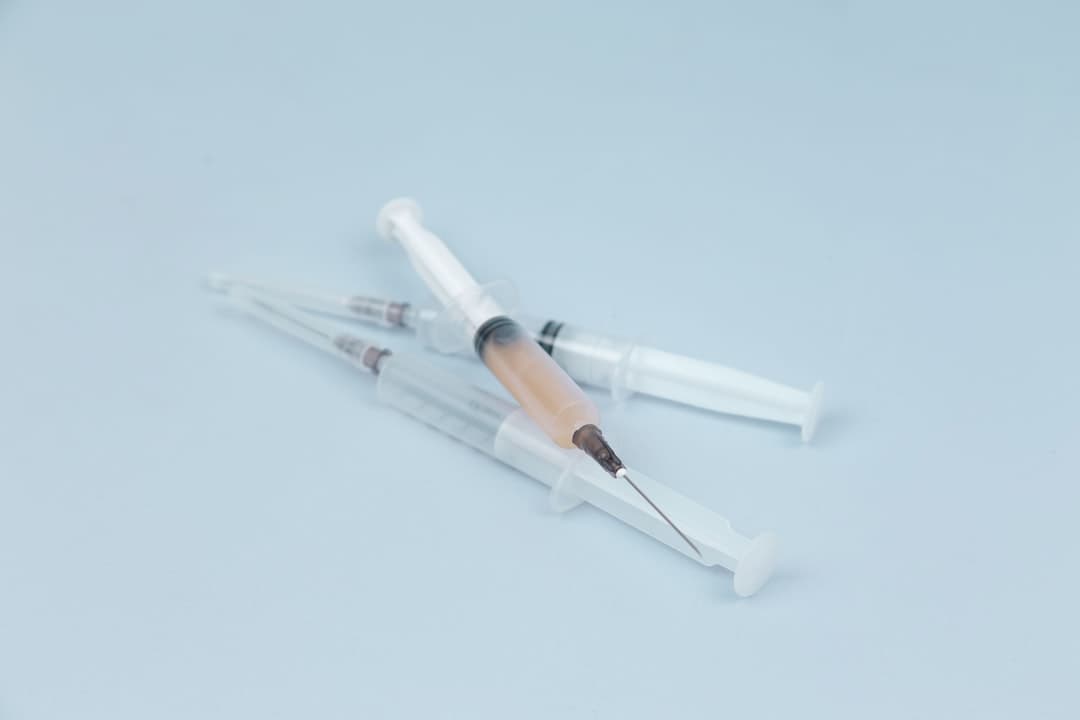
If you accidentally injected semaglutide twice in one week, the most likely outcome is a few days of worse-than-usual nausea, fatigue, and reduced appetite. Skip your next scheduled weekly dose, hydrate, eat small bland meals, and call your prescriber if symptoms are severe — vomiting that won't stop, signs of dehydration, severe abdominal pain, or low blood sugar (if you're on insulin or a sulfonylurea).
Why this happens to so many people
The most common scenarios:
- Pen confusion after a dose increase — the new pen looks similar, and you forget you already injected
- Travel that scrambled your "injection day"
- Compounded vials with unclear labeling and a drawn-up syringe that wasn't logged
- A spouse or caregiver double-administering
You're not alone, and you're almost certainly fine. But it's worth understanding what to expect.
What the next 48–72 hours probably look like
A double dose roughly doubles your peak concentration. Because semaglutide's half-life is about 7 days, the elevated level lingers — the symptoms can stretch across most of the week:
- Nausea that's noticeably worse than your usual post-injection day
- Stronger appetite suppression — you may genuinely not want to eat
- Fatigue or "blah" feeling
- Reflux, burping, or constipation
- Headache in some people
Severe vomiting, dehydration, or fainting are uncommon at the doses most people take, but they're the symptoms to watch.
What to do right now
- Skip your next scheduled dose. Resume your normal weekly schedule the week after that. Don't try to "make up" the timing.
- Hydrate aggressively. Aim for clear electrolyte fluids — Pedialyte, LMNT, broth — not just water. Nausea + dehydration is the spiral that lands people in urgent care.
- Eat small, bland, frequent. Crackers, rice, plain chicken, banana. Skip greasy or rich food for a few days.
- Don't take anti-nausea medication you weren't already prescribed without checking with your provider — some interactions matter.
When to call your provider (or 911)
Call within 24 hours if:
- Vomiting more than 3–4 times and unable to keep fluids down
- You can't urinate, feel dizzy when standing, or have a racing heart (dehydration)
- You're on insulin or a sulfonylurea — double-dose GLP-1 plus those drugs can cause low blood sugar
- Severe abdominal pain that radiates to your back (rule out pancreatitis)
Go to the ER for: confusion, fainting, persistent severe upper-abdominal pain, blood in vomit, signs of severe hypoglycemia (insulin/sulfonylurea users only).
What about a smaller-than-double mistake?
Some near-misses:
- Took it 3 days early. Effectively the same as a partial overlap — expect mild extra nausea. Skip the next scheduled dose; resume the week after.
- Took it 1–2 days early. Minor. Just shift your weekly day forward and continue.
- Took your old dose then realized you were supposed to step up. No real harm — you got less drug than you needed for one week. Take the higher dose at the next normal injection day.
- Compounded vial — drew the wrong volume. If you drew double, treat as a double dose. If you drew triple or more, call your provider promptly.
Will it speed up weight loss?
No. A one-time double dose mostly produces extra side effects without proportionally extra benefit. The receptor effects plateau; the stomach effects don't. Don't double on purpose — you'll spend three days regretting it and you'll lose your normal injection rhythm for a week.